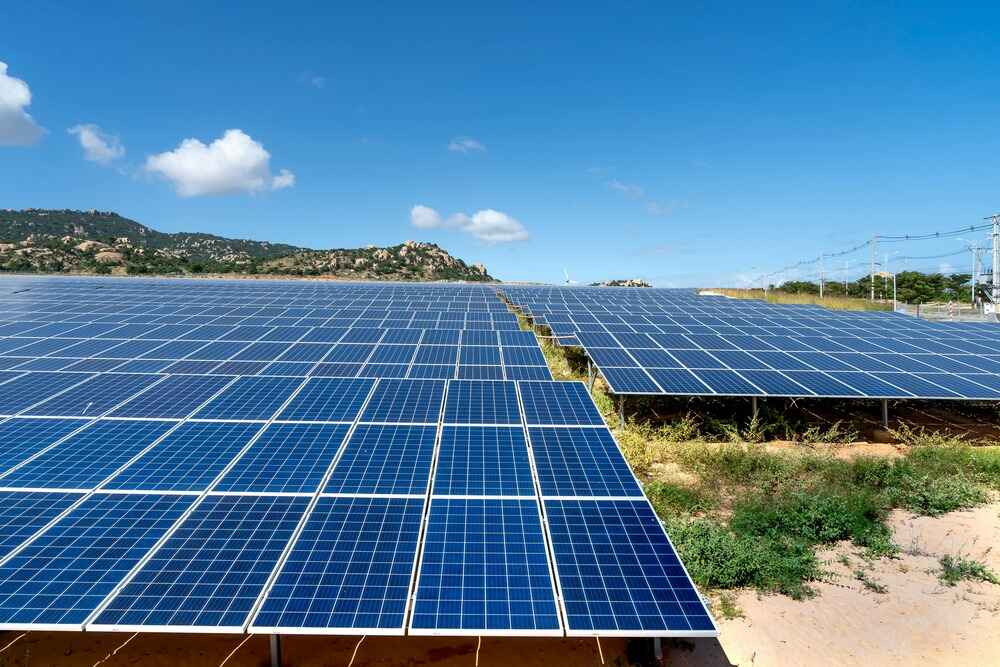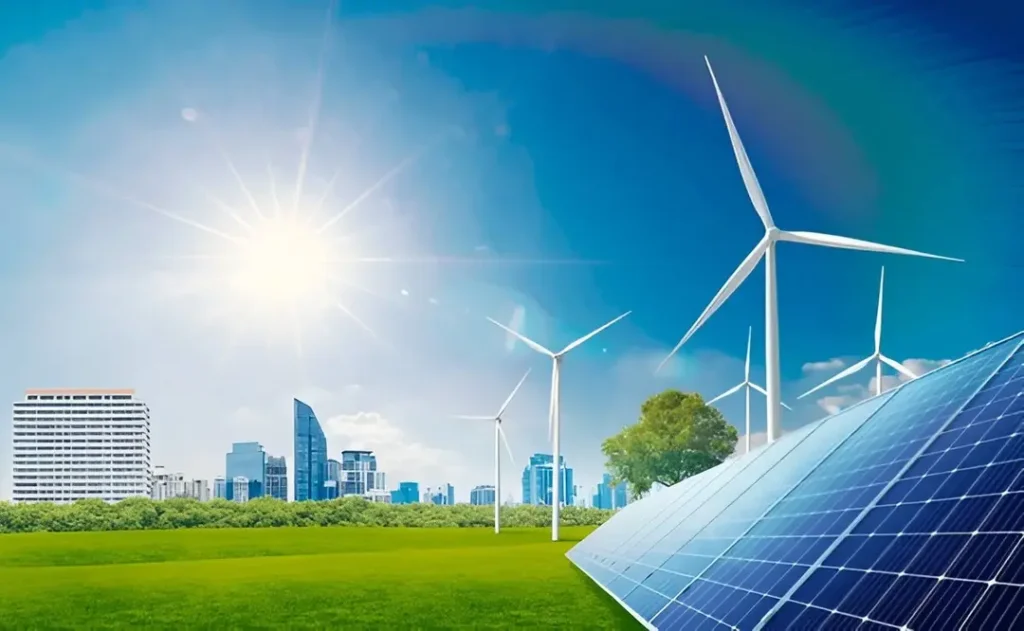
Climate change is no longer a distant concern—it’s a global crisis affecting weather patterns, agriculture, ecosystems, and economies. As carbon emissions continue to rise, renewable energy sources like solar power have become one of the most effective ways to slow down the impact.
But while switching to solar is an important step, the real difference lies in the design. A well-engineered solar design not only maximizes energy generation but also plays a crucial role in sustainability and long-term environmental benefits.
1. How Solar Power Helps Combat Climate Change
The core reason solar energy is vital in addressing climate change is its ability to generate clean electricity without burning fossil fuels. Traditional power generation from coal, oil, and natural gas emits large amounts of carbon dioxide (CO₂)—the main driver of global warming.
Solar panels, on the other hand, convert sunlight into electricity without producing greenhouse gases. According to the International Renewable Energy Agency (IRENA), a typical residential solar system can offset up to 1.5 tons of CO₂ per year—that’s equivalent to planting over 30 trees annually!
By scaling solar adoption across residential, commercial, and industrial sectors, we can significantly cut down our carbon footprint and move closer to a net-zero future.
2. Why Solar Design is the Key Factor
Solar Power and Climate Change: How Design Can Drive Impact At Southvine Energy, our solar panel design and permit services focus on these crucial elements to ensure that every project we deliver is energy-efficient, cost-effective, and climate-friendly.
3. The Role of Technology in Smart Solar Design
The evolution of design software and data analytics has revolutionized how solar systems are planned. Tools like Helioscope, PVsyst, and AutoCAD Solar Design allow engineers to simulate real-world performance before installation.
By leveraging AI-based modeling and 3D visualization, designers can:
- Predict energy production based on weather and geographical data
- Evaluate long-term ROI and payback periods
- Optimize solar array configuration for maximum output
- Reduce design errors and material waste
This technology-driven approach ensures that the solar system doesn’t just perform well on paper but consistently delivers in real-world conditions—making it a sustainable investment for decades.
4. Environmental and Social Impact of Smart Design
Well-designed solar power systems create a ripple effect of positive change:
- Lower greenhouse gas emissions: Each optimized design amplifies the carbon savings across the system’s lifespan.
- Less strain on the grid: Distributed generation from solar reduces the need for large fossil fuel plants.
- Cleaner air and healthier cities: Less pollution means improved public health and air quality.
- Job creation and innovation: Solar projects fuel employment in design, installation, and maintenance sectors.
Through precise and responsible design, solar energy systems contribute not only to environmental goals but also to economic and social progress.
5. Southvine Energy’s Commitment to a Greener Future
At Southvine Energy, we believe that smart design is at the heart of sustainable energy transformation. Our team of experts provides customized solar permit and design services for residential, commercial, and utility-scale projects—ensuring maximum performance, compliance, and sustainability.
Every design we create is more than a layout—it’s a blueprint for a cleaner, greener planet.
Conclusion
Solar power is not just about generating electricity; it’s about designing systems that drive real environmental change. With thoughtful engineering, innovative technology, and data-driven insights, solar design can significantly reduce emissions and pave the way toward a climate-resilient future.
If you’re ready to take the next step toward sustainability,
Partner with Southvine Energy—where every solar design is a step toward a brighter, cleaner world.
Visit southvineen.com to learn more about our solar panel design services.