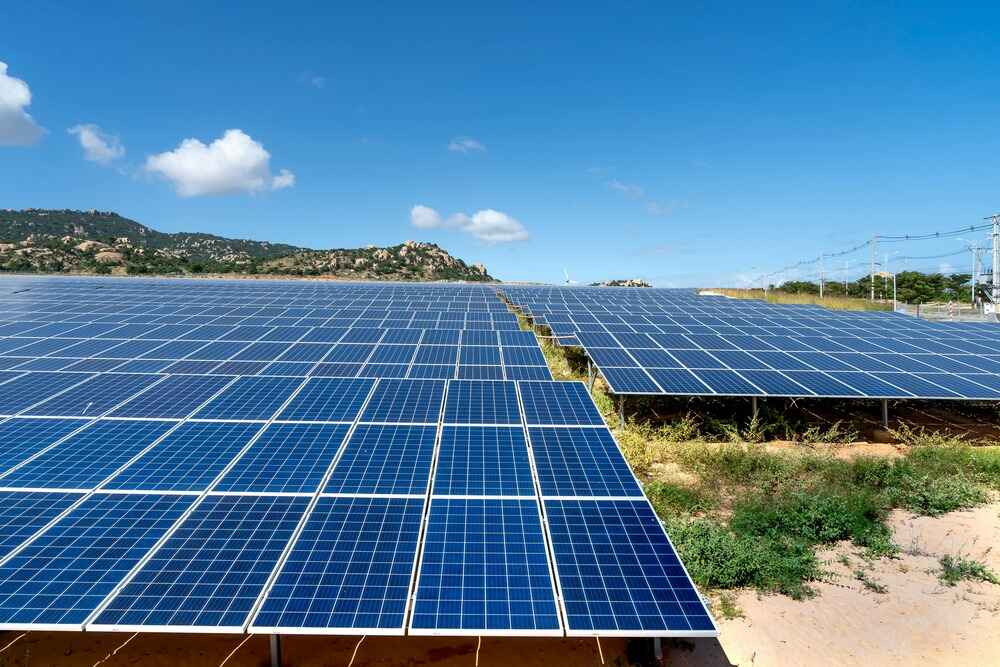

Solar energy continues to be an important investment for homeowners, businesses, and organizations across the United States. In addition to reducing electricity costs, solar projects may qualify for federal, state, utility, or local incentives depending on the project type, location, installation date, and taxpayer eligibility.
However, solar tax incentives in the United States changed significantly in 2025 and 2026. Homeowners and businesses should understand which federal incentives are currently available before planning a new solar project.
This guide explains the major solar tax credits, rebates, incentives, and financial considerations for residential and commercial solar projects in 2026.
Important: Solar incentives and tax regulations can change. Eligibility depends on individual project and taxpayer circumstances. Always verify current requirements with the IRS, applicable state agencies, utility providers, and a qualified tax professional before making financial decisions.
What Are Solar Tax Credits and Incentives?
Solar incentives are financial benefits designed to encourage the adoption of renewable energy. They can come from different levels of government and utility organizations.
Common types include:
- Federal tax credits
- State tax incentives
- State and local rebates
- Utility rebates
- Performance-based incentives
- Net metering or other compensation programs
- Property-tax incentives
- Sales-tax exemptions
- Financing programs
- Commercial clean-energy incentives
The availability and value of these programs can vary significantly from one state or utility service area to another.
For this reason, a solar project in California may have a very different incentive structure from a similar project in Texas, Arizona, Massachusetts, Pennsylvania, or Maryland.
Are Residential Solar Tax Credits Available in 2026?
One of the most important changes homeowners need to know about is the expiration of the federal Residential Clean Energy Credit under Section 25D.
The IRS states that the Residential Clean Energy Credit is not available for expenditures made after December 31, 2025. The previous credit generally provided a 30% credit for qualifying residential clean-energy expenditures during the applicable period.
Therefore, homeowners planning to install a new residential solar system in 2026 should not automatically assume that the former 30% federal residential solar tax credit is available.
Homeowners may still find state, utility, local, or other financing programs depending on where they live.
What About Solar Batteries?
Battery storage was previously included among qualifying residential clean-energy property under the Residential Clean Energy Credit.
However, because the federal residential credit under Section 25D is no longer available for expenditures after December 31, 2025, homeowners should not assume that a new residential battery installation in 2026 automatically qualifies for the former federal residential credit.
State and utility incentives may still provide opportunities for battery storage projects.
What Solar Incentives Are Available for Businesses in 2026?
Commercial solar projects operate under a different federal incentive framework.
One of the key federal incentives is the Clean Electricity Investment Credit under Section 48E.
The IRS describes Section 48E as a technology-neutral investment tax credit for qualifying clean-electricity facilities and energy storage technology placed in service after December 31, 2024.
The base credit is generally 6% of qualified investment, with the potential to increase substantially when applicable requirements are satisfied.
For qualifying projects that meet the prevailing-wage and registered-apprenticeship requirements, the credit can increase to as much as 30%. Additional bonus amounts may also be available for qualifying projects meeting certain domestic-content and energy-community requirements.
Section 48E: Key Points for Commercial Solar Projects
Businesses should evaluate:
- Project eligibility
- Placed-in-service date
- Qualified investment
- Prevailing-wage requirements
- Registered apprenticeship requirements
- Domestic-content requirements
- Energy-community eligibility
- Project size
- Energy-storage eligibility
- Applicable credit phase-out rules
The rules can be complex, so commercial project owners should work with qualified tax professionals when determining eligibility.
Can Commercial Battery Storage Qualify for Incentives?
Energy storage is increasingly important for commercial solar projects.
The federal Clean Electricity Investment Credit can apply to qualifying energy storage technology, subject to the applicable requirements.
Commercial battery storage can potentially help businesses:
- Store excess solar electricity
- Reduce dependence on grid electricity during peak periods
- Improve energy resilience
- Support demand-management strategies
- Increase the value of a solar installation
Businesses considering solar-plus-storage should evaluate the solar system and battery system together during the project planning and design process.
Additional Bonus Incentives for Commercial Clean Energy Projects
Certain commercial clean-energy projects may qualify for additional incentives when they meet specific requirements.
Domestic Content Bonus
Projects using qualifying U.S.-produced steel, iron, and manufactured products may be eligible for additional credit amounts if applicable domestic-content requirements are satisfied.
The IRS provides specific rules for determining whether a project qualifies.
Energy Community Bonus
Projects located in qualifying energy communities may be eligible for additional credit amounts.
Determining whether a project location qualifies requires checking the applicable federal criteria rather than assuming that a location is eligible.
Low-Income Community Bonus
Certain smaller clean-energy facilities may qualify for additional bonus credit under the Low-Income Communities Bonus Credit Program.
The IRS states that qualifying facilities with maximum net output below 5 MW may receive a 10% or 20% bonus depending on the applicable category and eligibility requirements.
State Solar Rebates and Incentives
Federal incentives are only one part of the solar investment equation.
Many states, utilities, municipalities, and local organizations offer programs that can reduce the cost of solar installations or improve project economics.
Depending on the location, incentives may include:
- State tax credits
- Utility rebates
- Solar renewable energy certificates
- Performance-based incentives
- Property-tax exemptions
- Sales-tax exemptions
- Battery-storage incentives
- Low-income solar programs
- Financing programs
- Local clean-energy initiatives
Availability changes frequently, so homeowners and businesses should check their state and utility programs before beginning a project.
Solar Incentives Can Vary by State
The United States does not have one universal solar incentive program that applies identically to every project.
For example, incentive opportunities can differ between:
- California
- Texas
- Arizona
- Massachusetts
- Pennsylvania
- Maryland
- Arkansas
- Oklahoma
The utility territory can also matter.
Two properties located in the same state may have different opportunities depending on their electricity provider, local jurisdiction, project type, and system characteristics.
This makes accurate project planning particularly important.
Residential vs. Commercial Solar Incentives
| Factor | Residential Solar | Commercial Solar |
| Federal residential credit | Section 25D ended for expenditures after Dec. 31, 2025 | Different federal rules apply |
| Section 48E | Generally not the residential homeowner pathway | Important incentive for qualifying commercial projects |
| Battery storage | Former residential federal credit ended for post-2025 expenditures | Qualifying storage can be included under applicable commercial rules |
| State incentives | May be available | May be available |
| Utility incentives | Depends on utility | Depends on utility |
| Project complexity | Usually lower | Often higher |
| Tax planning | Homeowner-specific | Business/tax-structure specific |
| Permitting | Local AHJ requirements | Local AHJ and project-specific requirements |
Because eligibility depends on the project and taxpayer, this comparison should be treated as a starting point rather than tax advice.
Why Solar Permitting Matters When Planning an Incentive-Eligible Project
Tax incentives and rebates are only one part of a successful solar installation.
Before construction begins, solar projects typically need to satisfy applicable permitting, electrical, structural, utility, and local authority requirements.
A professionally prepared solar permit plan set can help installers and project teams organize important project information.
Depending on the project, a plan set may include:
- Site plans
- Roof plans
- Electrical layouts
- Single-line diagrams
- Equipment specifications
- Structural information
- Battery-storage details
- Rapid-shutdown information
- Electrical calculations
- Load calculations
- Code-related information
- Required documentation for AHJ review
The exact requirements vary by project and jurisdiction.
For commercial projects, proper planning becomes particularly important when multiple systems, storage technologies, electrical equipment, or jurisdiction-specific requirements are involved.
How to Check Solar Incentives Before Starting a Project
Before purchasing equipment or beginning installation, homeowners and businesses should follow a structured process.
Step 1: Identify the Project Location
Determine:
- State
- City/county
- Utility provider
- Local permitting authority
Step 2: Determine the Project Type
Identify whether the project is:
- Residential solar
- Commercial solar
- Solar plus battery storage
- Commercial battery storage
- EV charging
- Solar plus EV charging
- Other clean-energy infrastructure
Step 3: Review Federal Incentives
Check current IRS guidance for applicable federal tax credits and requirements.
Step 4: Check State Programs
Review the state’s current renewable-energy and clean-energy incentive programs.
Step 5: Check Utility Incentives
Your utility may offer rebates, special programs, interconnection benefits, or other incentives.
Step 6: Review Local Requirements
Check city, county, AHJ, zoning, fire-code, electrical-code, and permitting requirements.
Step 7: Consult a Tax Professional
Tax credit eligibility can depend on ownership structure, tax liability, project timing, and other factors.
Common Mistakes to Avoid When Claiming Solar Incentives
1. Assuming the old 30% residential credit is still available
The federal Residential Clean Energy Credit ended for expenditures after December 31, 2025.
2. Relying on outdated blog posts
Solar incentive rules can change quickly. Always verify information against current IRS, DOE, state, and utility sources.
3. Ignoring local incentives
A project may have state or utility opportunities even when a particular federal incentive is unavailable.
4. Starting without checking eligibility
Do not assume a project qualifies simply because another solar project received an incentive.
5. Ignoring permitting requirements
A solar system must still comply with applicable local permitting and electrical requirements.
6. Treating tax incentives as guaranteed savings
Tax credits and incentives depend on eligibility and applicable rules. They should not be presented as guaranteed savings without reviewing the individual project.
How SouthVine Energy Supports Solar Project Planning
For solar installers, EPC companies, contractors, and project developers, proper design and permitting documentation can be an important part of the project workflow.
SouthVine Energy provides solar permit plan set design and drafting services for residential and commercial solar projects across multiple U.S. states.
Our services can support projects involving:
- Solar permit plan sets
- Residential solar design
- Commercial solar design
- Energy storage system design
- Battery-storage projects
- EV charger design
- Electrical design documentation
- AHJ permit submission support
- Jurisdiction-specific solar design requirements
By preparing project documentation according to applicable requirements, solar professionals can help create a smoother path from project planning to permitting and installation.
Planning a residential or commercial solar project?
Contact SouthVine Energy to discuss your solar design and permit plan set requirements.
Frequently Asked Questions
Is there a federal solar tax credit for homeowners in 2026?
The federal Residential Clean Energy Credit under Section 25D is not available for expenditures made after December 31, 2025. Homeowners should investigate applicable state, utility, and local programs for 2026 projects.
Is the commercial solar tax credit still available in 2026?
Qualifying commercial clean-electricity facilities and energy storage may be eligible for the Section 48E Clean Electricity Investment Credit, subject to applicable requirements and project timing.
Can businesses receive a 30% solar tax credit?
A qualifying commercial project may potentially reach a 30% credit rate under Section 48E when applicable prevailing-wage and registered-apprenticeship requirements are satisfied. Additional bonus provisions may also apply in qualifying circumstances.
Are solar rebates available in every state?
No. Solar rebates and incentives vary by state, utility, local jurisdiction, project type, and program availability.
Are battery storage systems eligible for incentives?
Potentially. Eligibility depends on whether the project is residential or commercial and which federal, state, or utility program is being considered. Commercial qualifying energy-storage technology can fall within the Section 48E framework.
Do solar incentives cover permit design costs?
It depends on the specific incentive program. Taxpayers should not assume that solar design, permitting, or other soft costs qualify without checking the applicable program rules and obtaining professional tax guidance.
Why should I check incentives before designing my solar project?
Understanding incentive requirements early can help project owners and installers evaluate project economics, equipment choices, project timing, documentation, and potential compliance requirements.
Final Thoughts
Solar incentives in the United States are changing, and 2026 is an important transition year for residential and commercial solar projects.
For homeowners, the former federal Residential Clean Energy Credit is no longer available for expenditures after December 31, 2025. For businesses, the Section 48E Clean Electricity Investment Credit can provide an important federal incentive for qualifying clean-electricity facilities and energy storage, subject to specific requirements.
Beyond federal tax credits, homeowners and businesses should investigate state, utility, and local programs before beginning a solar project.
For installers and project developers, understanding incentives is only one part of the process. Accurate solar design, permit plan sets, electrical documentation, and jurisdiction-specific requirements can also play an important role in moving a project toward approval and installation.
Need professional solar permit plan set design support? Contact SouthVine Energy to discuss your residential or commercial solar project.
Disclaimer
This article is provided for general informational and educational purposes only and does not constitute tax, legal, financial, or engineering advice. Federal, state, local, and utility incentive programs can change. Eligibility and credit amounts depend on the specific project and taxpayer circumstances. Always verify current requirements with the IRS, applicable government agencies, utilities, and qualified professional advisors before making decisions.